Chartered December 27, 1813

Where the Compass
Met the Frontier

A museum and library devoted to the heritage of Freemasonry in Tennessee, and the men who built a state, and a republic, by its principles.

Scroll Through Two Centuries

Our Mission

The Craft in the Volunteer State

Long before Tennessee was a state, before its mountains were mapped or its rivers settled, a small band of frontiersmen gathered by lamplight at the Nashville settlement on the Cumberland and opened the first Masonic lodge in what would become the sixteenth state of the Union. From that log-walled room in 1789, the principles of Brotherly Love, Relief, and Truth would travel with hunters, soldiers, statesmen, and presidents across two centuries of American history.

✦ ✦ ✦

The TN Masonic Museum & Library exists to gather, preserve, and tell that story, the artifacts, the architecture, the apron stitched in the 1820s and the gavel struck in the 1860s, the portraits of governors and presidents and frontier farmers who all knelt before the same altar. Scroll on, and walk with us through the years.
A Walk Through Time

Two Centuries of Tennessee Freemasonry

1789

The Frontier Charter

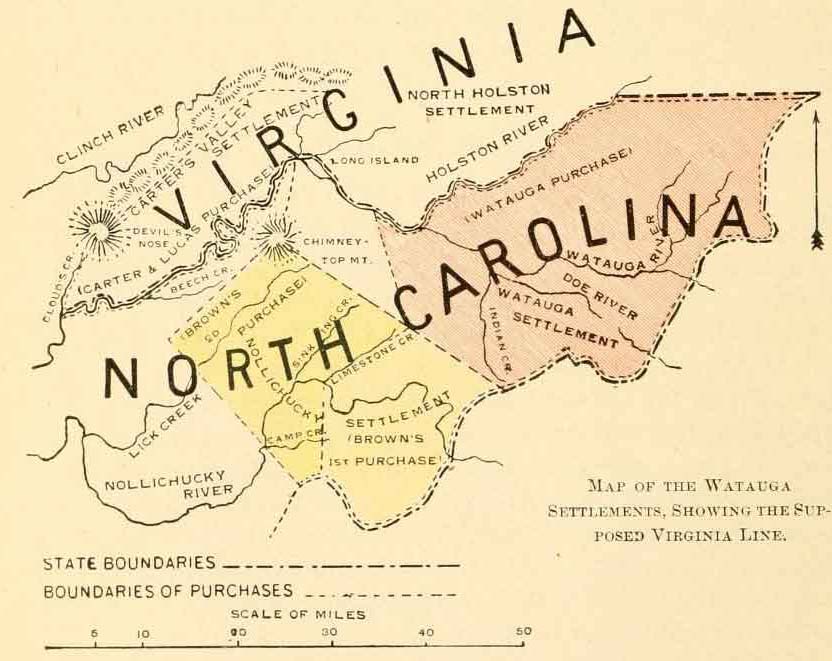
On the wild edge of the Republic, St. Tammany Lodge is organized in Nashville under dispensation from the Grand Lodge of North Carolina, the first Masonic lodge on Tennessee soil. Chartered formally in 1796, the lodge will later be renamed Harmony Lodge No. 1, the cradle of Tennessee Freemasonry.

Map of the Watauga settlements on the Tennessee frontier
Map of the Watauga Settlements
1796

Statehood Under the Square

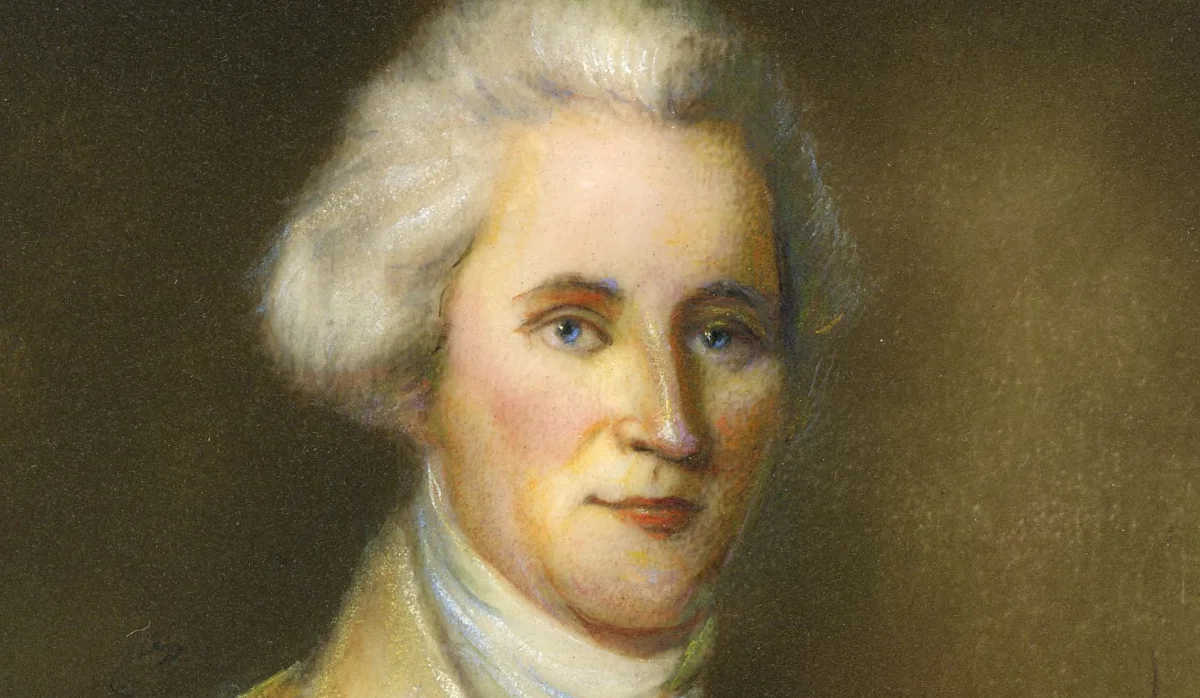
Tennessee enters the Union as the sixteenth state. Its first governor, John Sevier, is a Mason, as are many of the framers of its constitution. The Craft is woven into the fabric of the new commonwealth from the very first breath.

Portrait of John Sevier, first governor of Tennessee
John Sevier, First Governor of Tennessee
1813

A Grand Lodge of Our Own

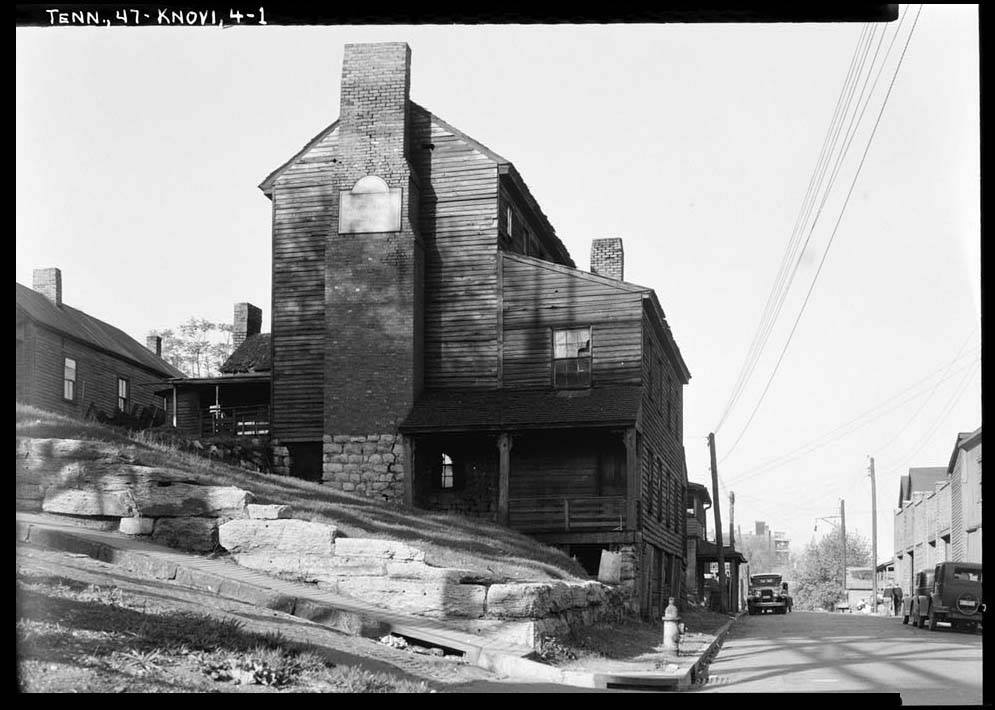
On the 27th of December, the feast day of St. John the Evangelist, representatives of eight Tennessee lodges convene in Knoxville and constitute The Most Worshipful Grand Lodge of Free and Accepted Masons of the State of Tennessee. The Craft in Tennessee at last governs itself.

The historic Chisholm Tavern in Knoxville, an early Tennessee meeting house
Early frontier Knoxville, meeting place of the lodges
1822

The General Becomes Grand Master

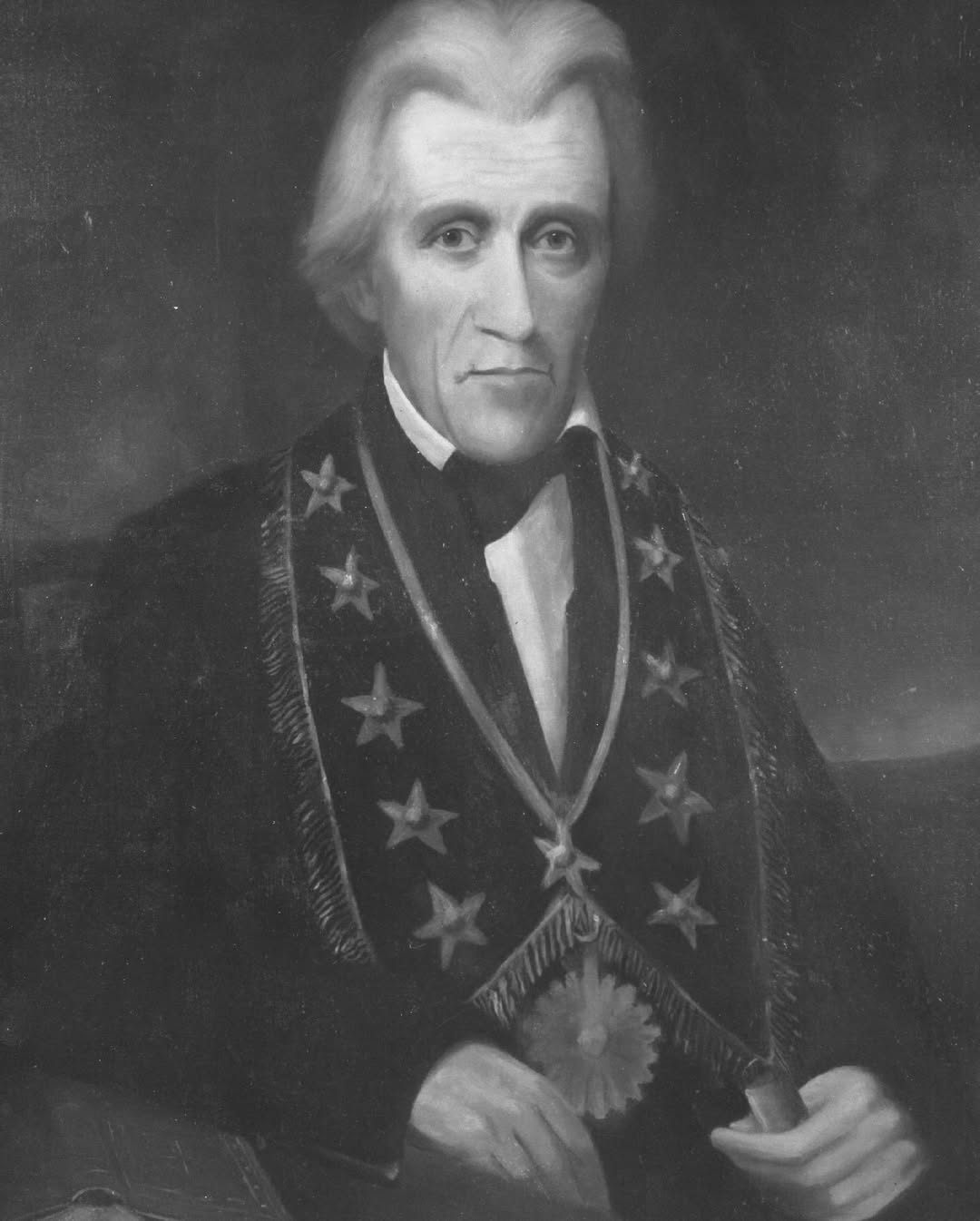
Andrew Jackson, the hero of New Orleans, future seventh President of the United States, is elected Grand Master of Masons in Tennessee. He is re-elected the following year and serves through 1824, presiding over a fraternity then numbering more than forty lodges across the young state.

Andrew Jackson in Masonic Past Grand Master regalia
Andrew Jackson, Past Grand Master, 1822, 1824
1830s

Frontier & Frontiersman

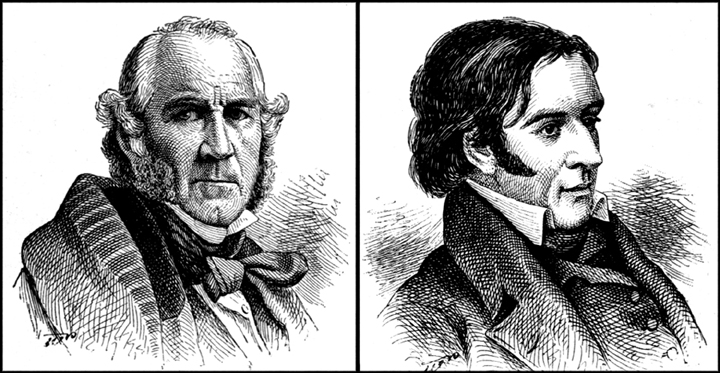
From the cane-brakes of West Tennessee marches David Crockett, bear hunter, congressman, and frontier hero, bound at last for Texas. From Maryville comes Sam Houston, raised among the Cherokee, raised a Master Mason at Cumberland Lodge No. 8 in Nashville in 1817, and destined to win Texas her independence at San Jacinto.

Engraved portraits of Sam Houston and David Crockett
Sam Houston (left) and David Crockett
1845

A Tennessee Mason in the White House

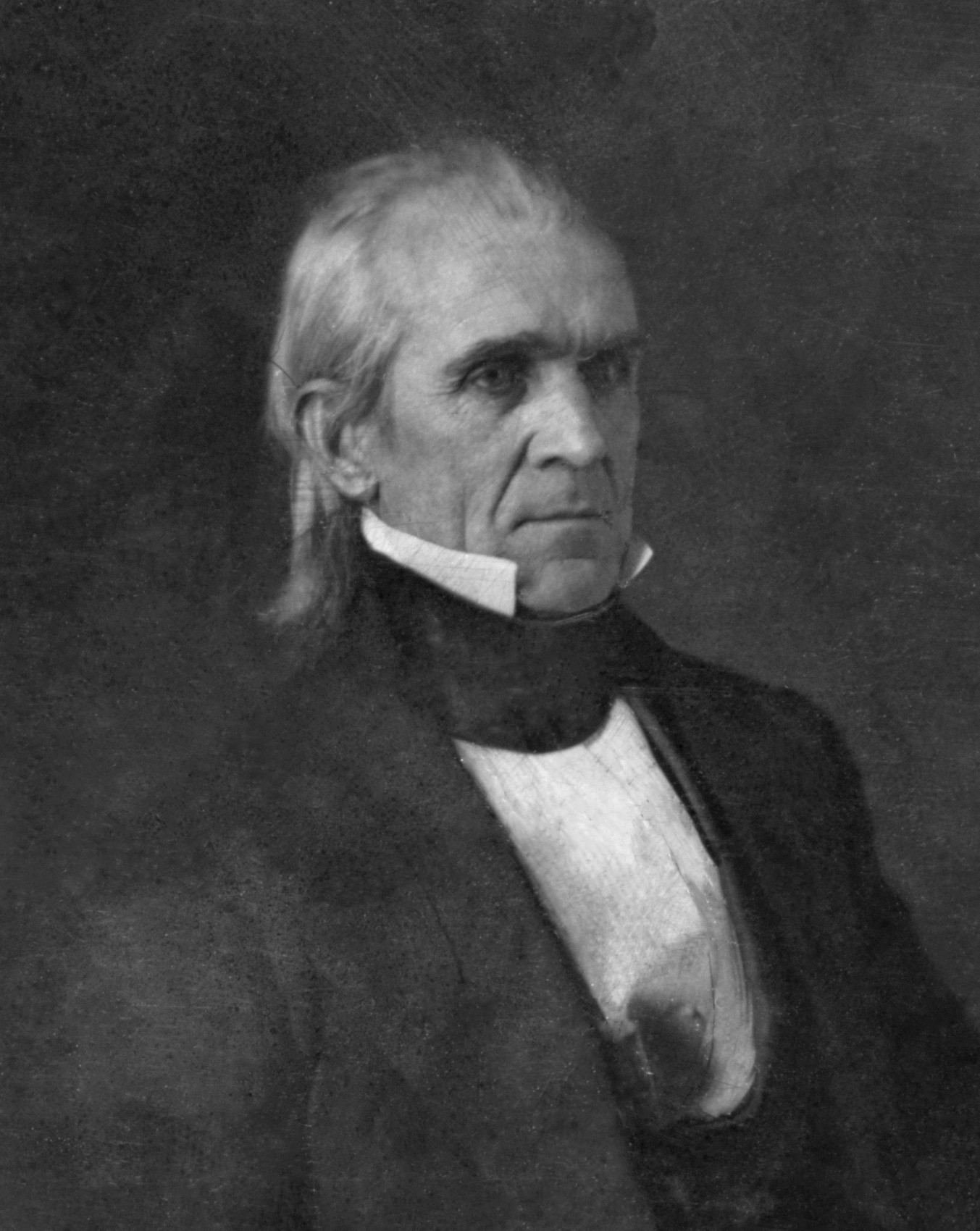
James K. Polk, Mason, Tennessean, dark-horse candidate, is inaugurated the eleventh President of the United States. Under his single term the nation will stretch from sea to sea: Texas annexed, Oregon settled, California won. The Craft has come to the Executive Mansion by way of Maury County.

James K. Polk
James K. Polk, 11th President of the United States
1861–1865

A House Divided, A Brotherhood Endured

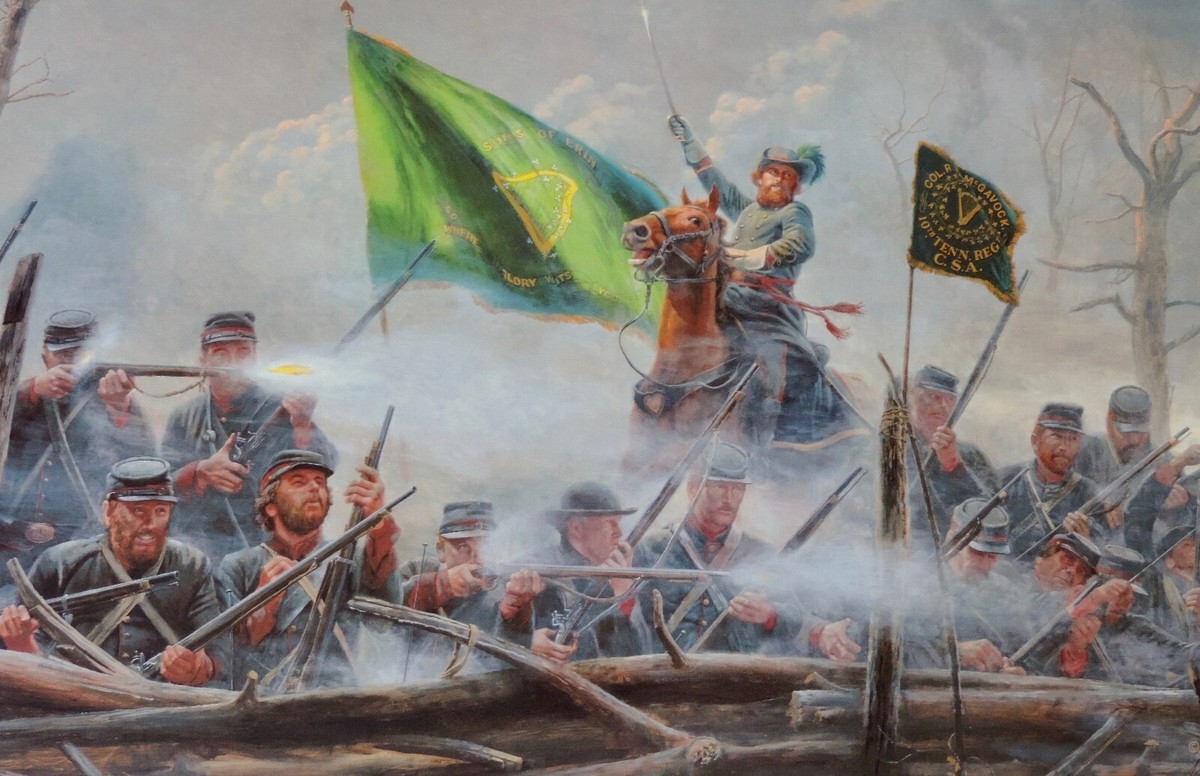
The Civil War rends Tennessee as it does no other state, the most battles fought on its soil of any save Virginia. Brethren wear blue and brethren wear gray. And yet, again and again, accounts emerge of Masons sheltering wounded Masons of the opposing army, of pickets lowering muskets at a familiar sign, of lodges in occupied towns quietly continuing their work. The Craft outlasts the cannon.

Colonel Randal McGavock leading the 10th Tennessee Infantry in battle
Colonel Randal McGavock & 10th TN Infantry
1892

Charity Made Visible

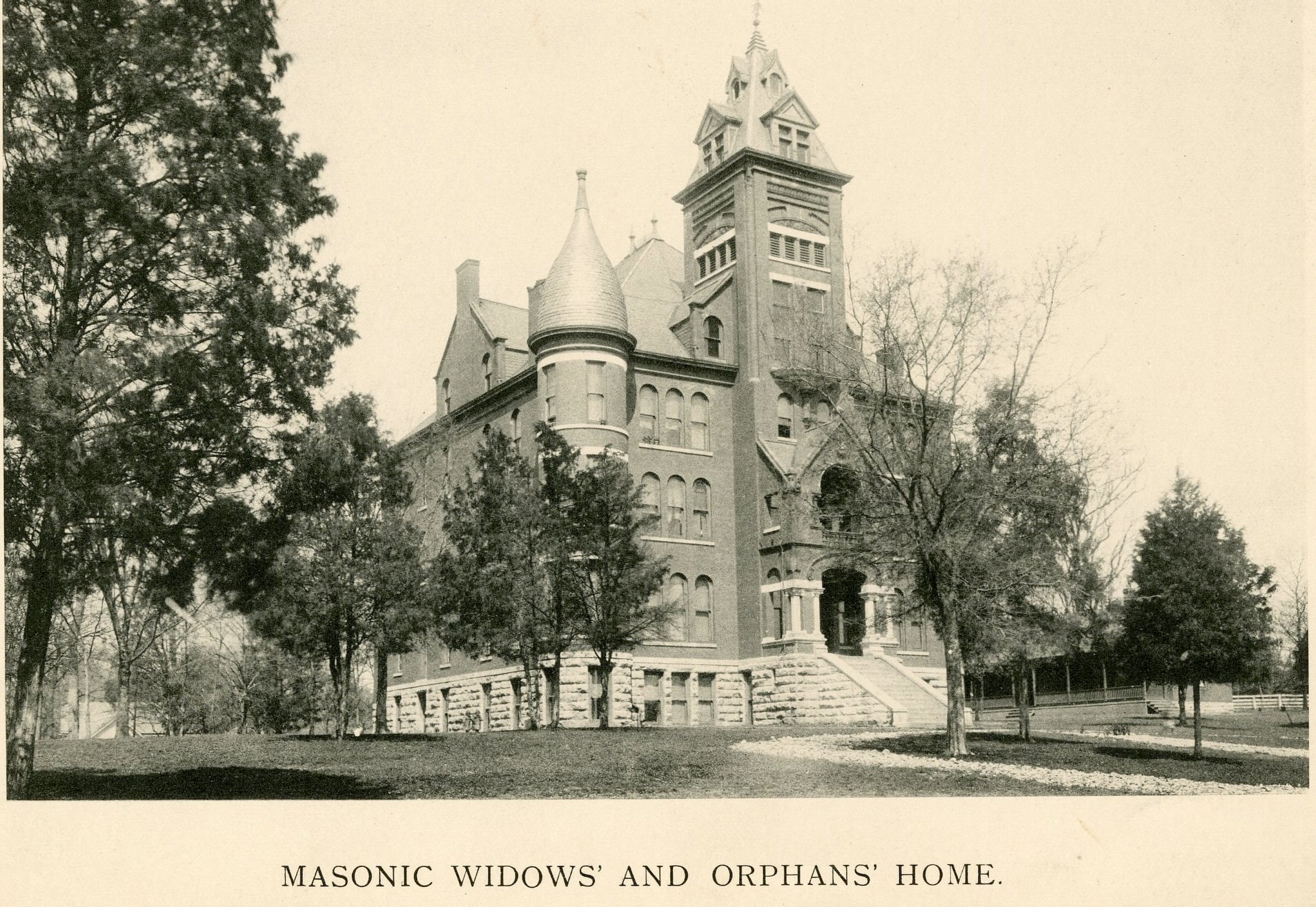
The Grand Lodge opens the Tennessee Masonic Widows' and Orphans' Home in Nashville, later the Masonic Home for the Aged. For more than a century it will care for the families of departed brethren, the most enduring expression of the second tenet of the Craft: Relief.

The Tennessee Masonic Widows' and Orphans' Home, ca. 1900
The Masonic Widows' and Orphans' Home, Nashville
1925

The Temple on Seventh Avenue

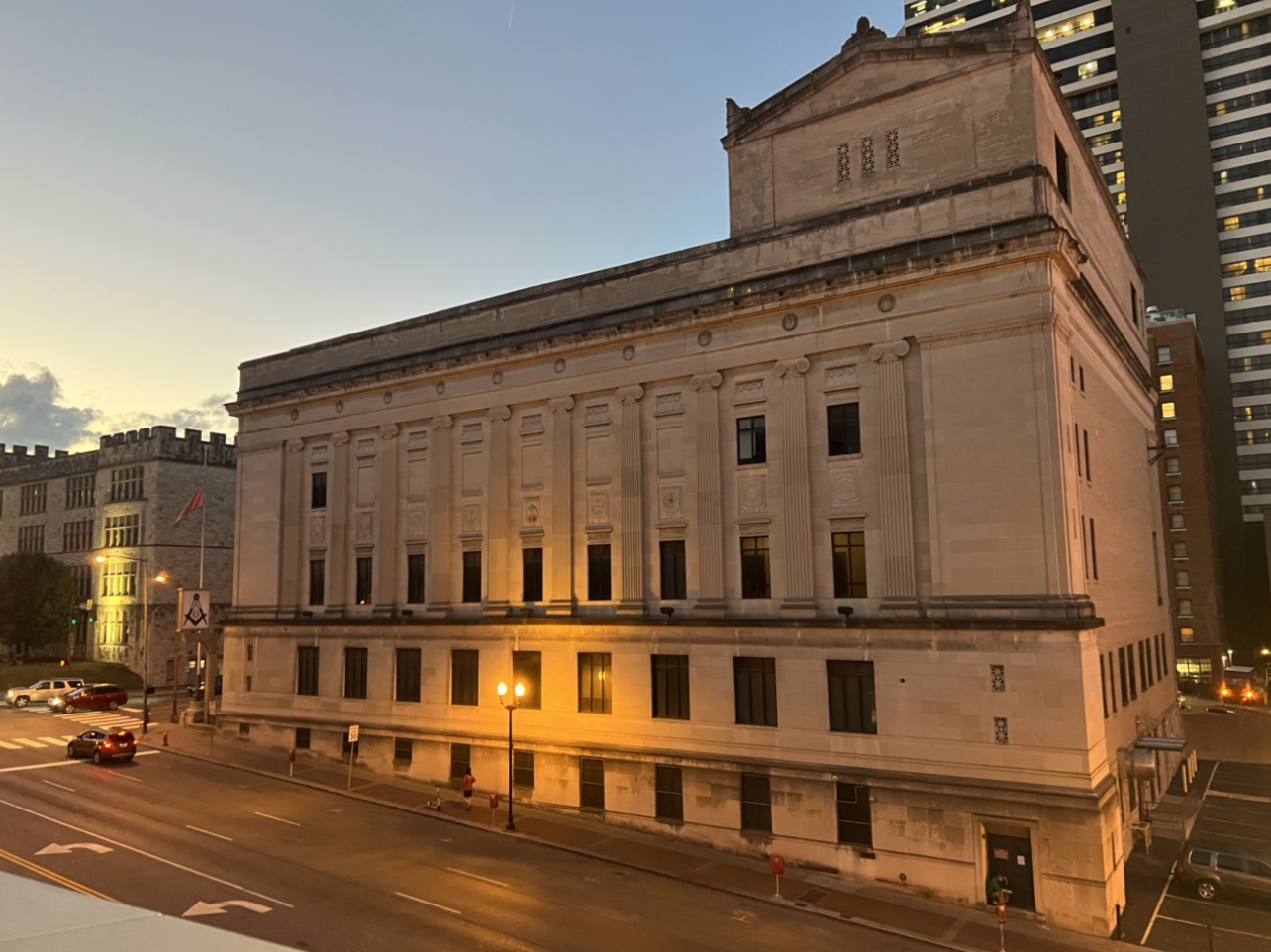
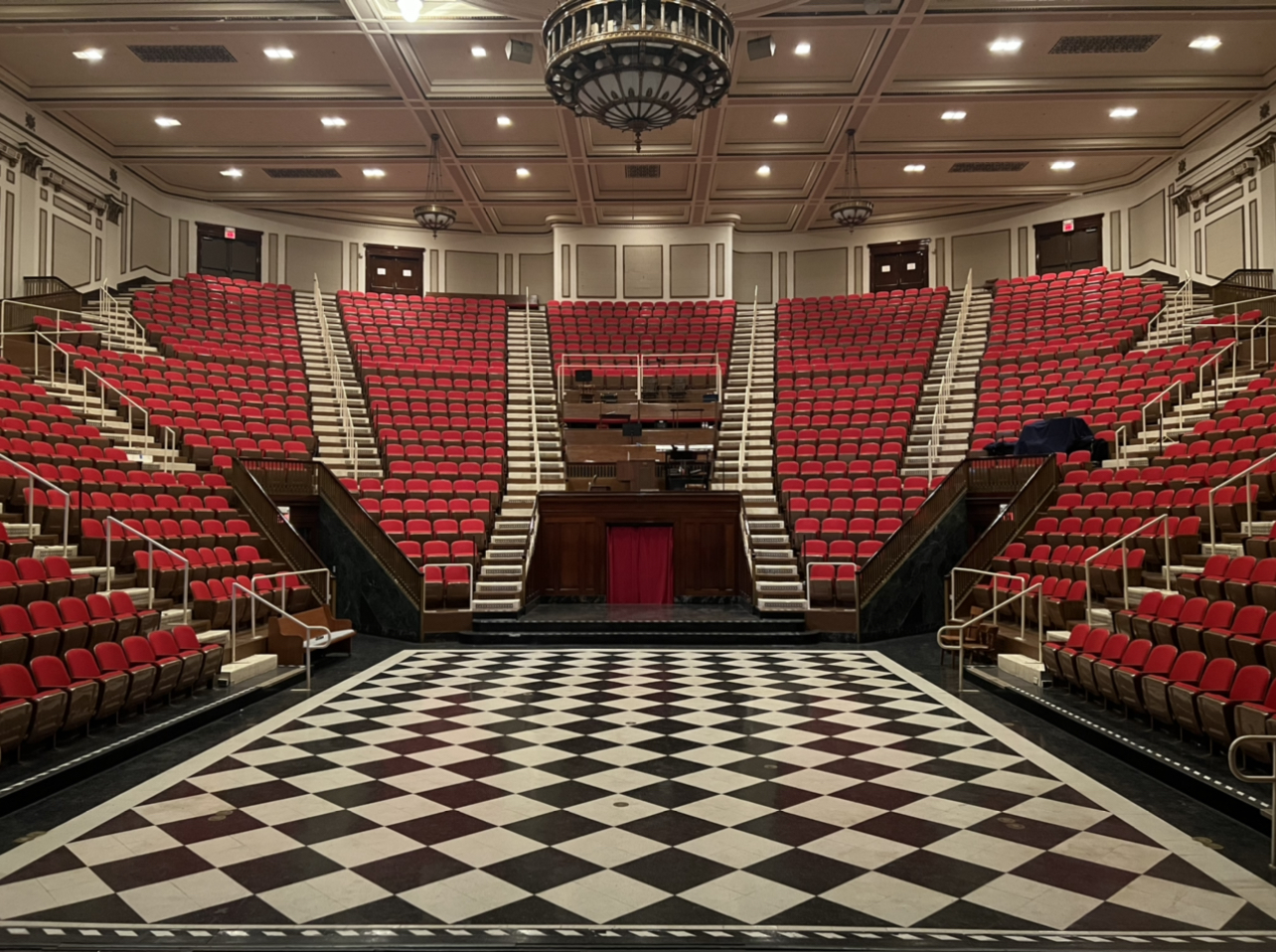
A great Neoclassical building of Indiana limestone, designed by Asmus & Clark and originally raised for the Scottish Rite of Freemasonry, is completed at the corner of Seventh Avenue North and Broadway. In 1937 the Grand Lodge of Tennessee will acquire it through Chancery Court, and the columned temple will become the seat of Tennessee Freemasonry for generations to come.

Grand Lodge of Tennessee at sunset
The Grand Lodge of Tennessee, Nashville
1945

The Diplomat & the Peace

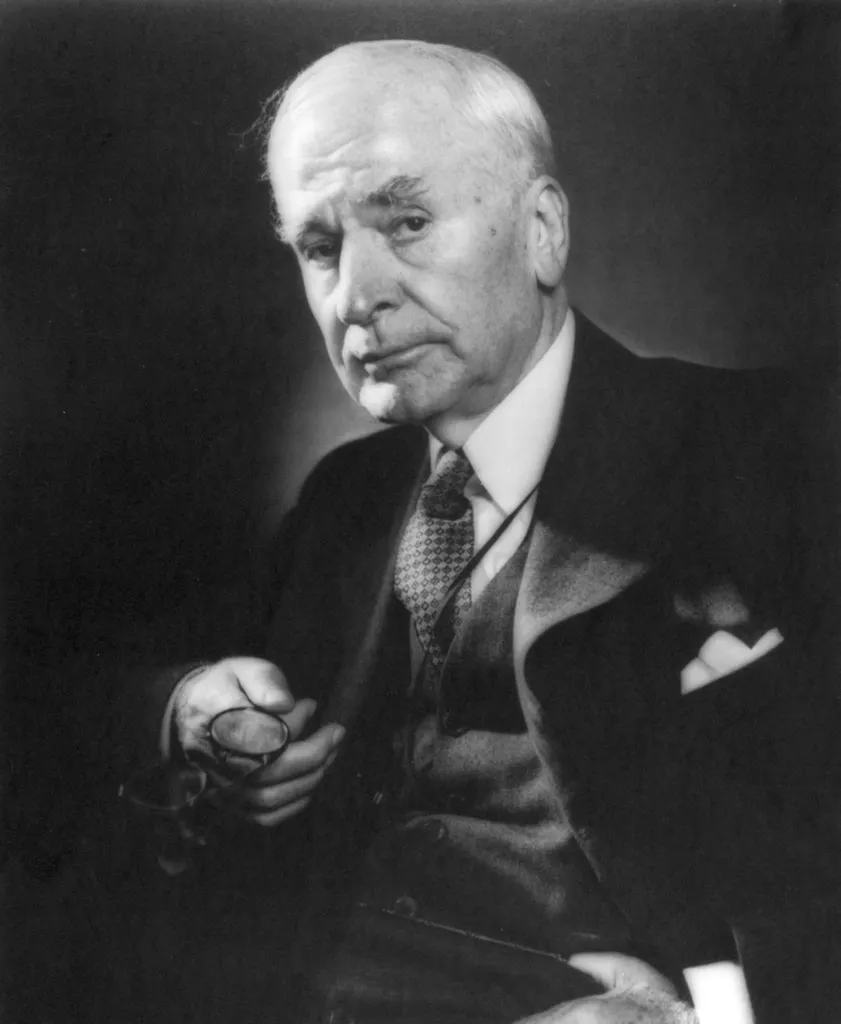
Cordell Hull of Pickett County, son of a Tennessee Mason and a Tennessean to the bone, receives the Nobel Peace Prize for his work as Secretary of State and chief architect of the United Nations. President Roosevelt would call him "the Father of the United Nations." A son of the Tennessee hills had become the conscience of a postwar world.

Photographic portrait of Cordell Hull
Cordell Hull, Nobel Peace Prize laureate, 1945
1960s

A Photograph in the Archive

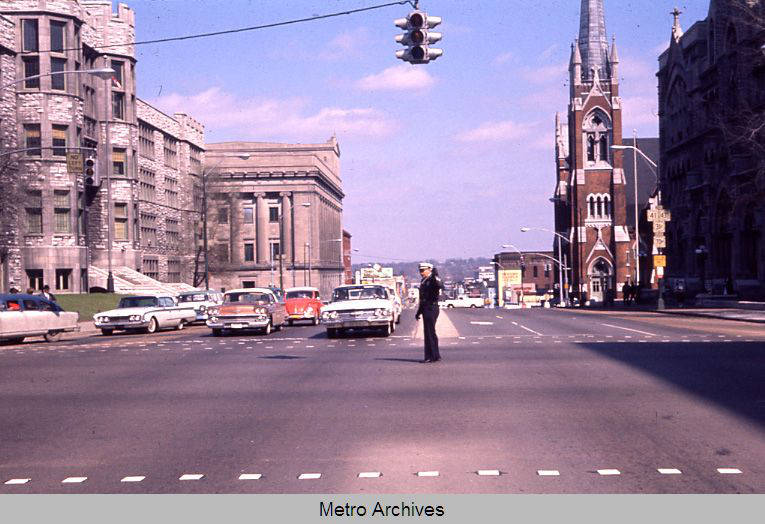
A snapshot from the Metro Archives, ca. 1962: Seventh Avenue North, an officer directing traffic, the Grand Lodge of Tennessee at the left of the frame, holding the same post it has held since the brethren took possession in 1937, and the same post it holds today. The city around it changes; the temple keeps its place.

Grand Lodge of Tennessee on Seventh Avenue, ca. 1960s
Seventh Avenue North, ca. 1962
2013

A Bicentennial of Brotherhood

The Grand Lodge of Tennessee marks two hundred years of continuous labor in the Craft. Brethren from across the state, and from Grand Lodges around the world, gather in Nashville to honor a fraternity whose Tennessee brethren have included governors, generals, congressmen, presidents, and ten thousand quieter men of integrity besides.

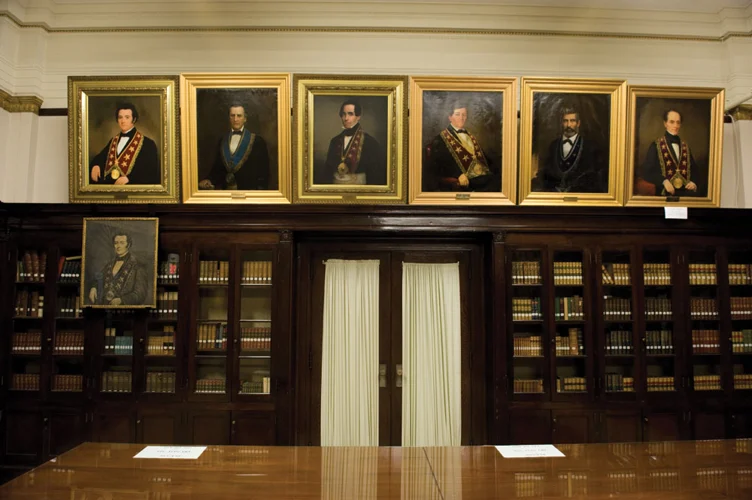
The library at the Grand Lodge of Tennessee, with portraits of Past Grand Masters above the bookcases
The library, two centuries of Past Grand Masters
Today

Stewards of the Story

More than two hundred subordinate lodges still labor across Tennessee, from Bristol to Memphis. The TN Masonic Museum & Library, housed within the Grand Lodge, preserves the artifacts, portraits, and records of all that has passed before, and offers them to scholars, families, and visitors of every faith and station. The story is not finished. We are the next chapter.

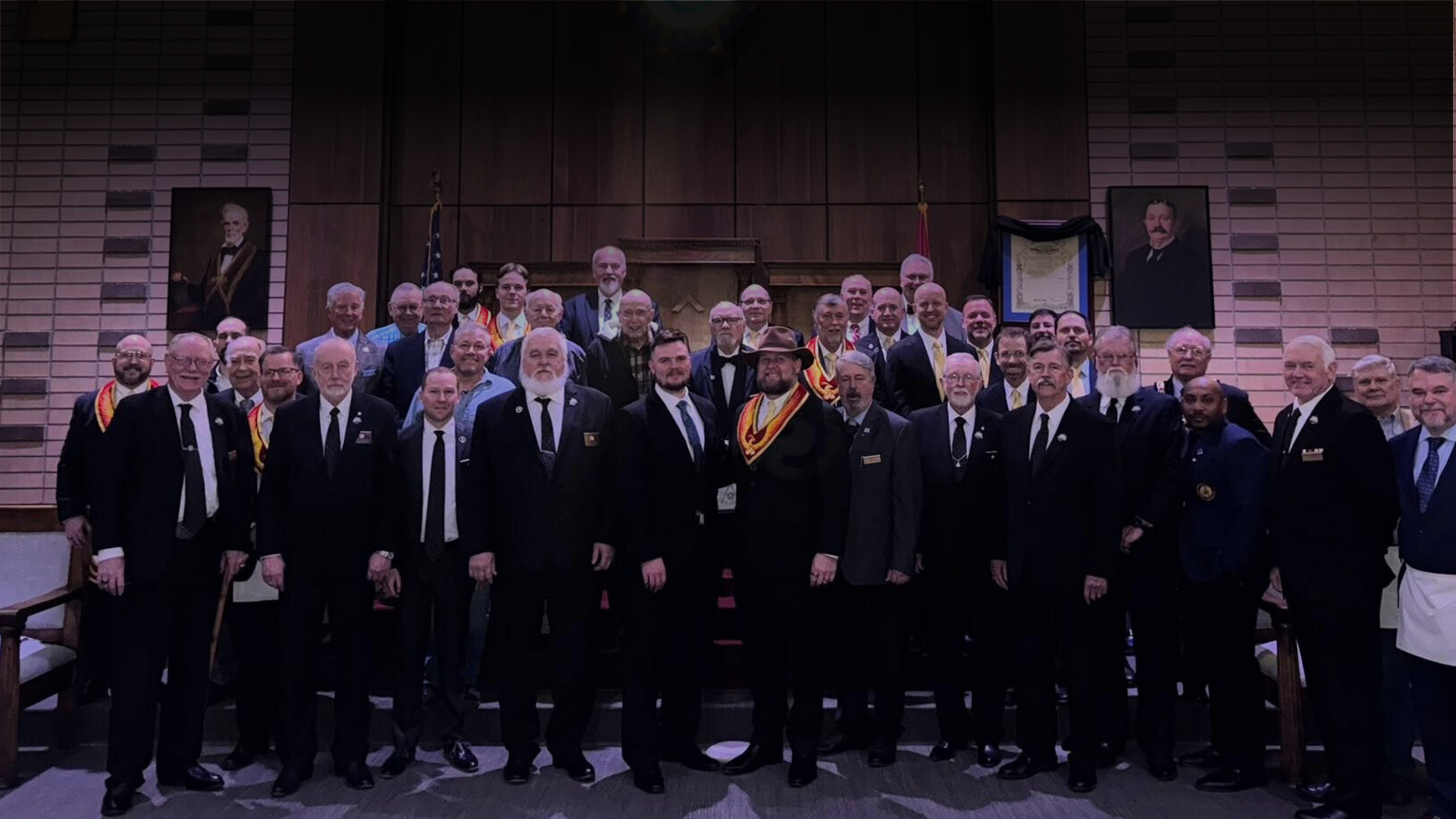
Tennessee Masons assembled in a lodge room, present-day
Tennessee brethren today, the next chapter
"Brotherly Love, Relief, and Truth, the three great tenets of a Mason's profession." From the ancient charges of Freemasonry

From the Reading Room

Lives of the Tennessee Brethren

Ten essays on the most consequential Freemasons Tennessee has produced, from frontier governors to Nobel laureates, and the role each played in the American story.

Read the Articles